Pricing Feels Simple — Until It Starts Affecting Survival
Most businesses don’t struggle because they can’t sell. They struggle because they don’t price correctly.
At the beginning, pricing appears straightforward. Costs are estimated, a margin is added, and the product is introduced to the market. If sales happen, it feels like the system is working.
But pricing is not just a number—it directly affects demand, cash flow, and long-term sustainability. A business can generate steady sales and still face financial pressure if pricing does not reflect real-world conditions.
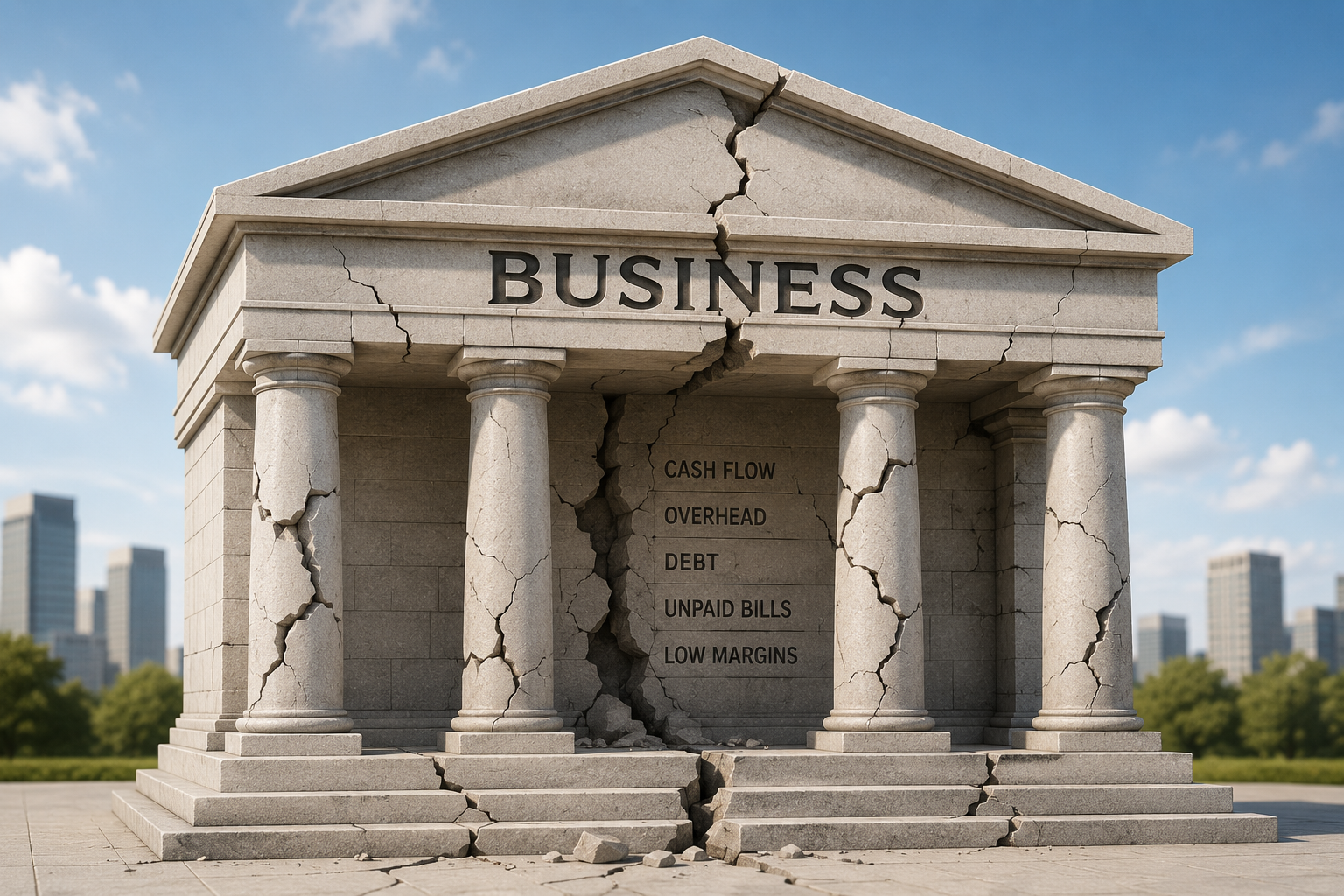
These issues rarely appear immediately. They build gradually through shrinking margins, rising costs, and increasing operational stress. By the time they become visible, the business is already under pressure.
Why Cost-Based Pricing Fails in Practice
The most common pricing approach is cost-based pricing.
The logic is simple: calculate total cost and add a margin. While this works in theory, it ignores how markets actually behave.
| Pricing Approach | Logic | Limitation |
| Cost-based | Cost + margin | Ignores demand |
| Competitor-based | Match market price | Ignores positioning |
| Value-based | Based on perceived value | Harder to execute |
Cost-based pricing assumes stable costs, predictable demand, and consistent customer behavior. In reality, costs fluctuate, demand shifts, and competition evolves.
Where It Breaks
The issue is not the formula—it is the assumption that pricing is static.
In practice, pricing must adapt to:
- customer willingness to pay
- competitive positioning
- cost variability
This becomes especially important in early-stage businesses. Without proper demand validation—explored in how to validate a business idea—pricing decisions are often based on assumptions rather than evidence.
A Simple Example: Where Pricing Breaks
Consider a small food business selling a sandwich.
- Cost per unit: $0.40
- Selling price: $0.55
- Profit per unit: $0.15
At first glance, this appears acceptable.
But real-world conditions change the outcome:
- wastage increases actual cost
- unsold inventory reduces efficiency
- delivery commissions reduce margins
The effective profit per unit may drop closer to $0.07 or lower.
At scale, this creates a pattern where:
- sales increase
- effort increases
- but retained profit remains limited
This is a common issue across small businesses operating in competitive markets.
Pricing Is Also About Positioning
Pricing is not just financial—it defines how a business is perceived.
- Lower pricing attracts volume but limits margins
- Higher pricing requires stronger perceived value
Businesses often try to stay in the middle without a clear positioning strategy. This creates confusion in both pricing and customer perception.
The Risk of Under-pricing
Under-pricing creates early traction but long-term pressure.
Costs increase over time, but prices often remain unchanged. This compresses margins and reduces the ability to reinvest in the business.
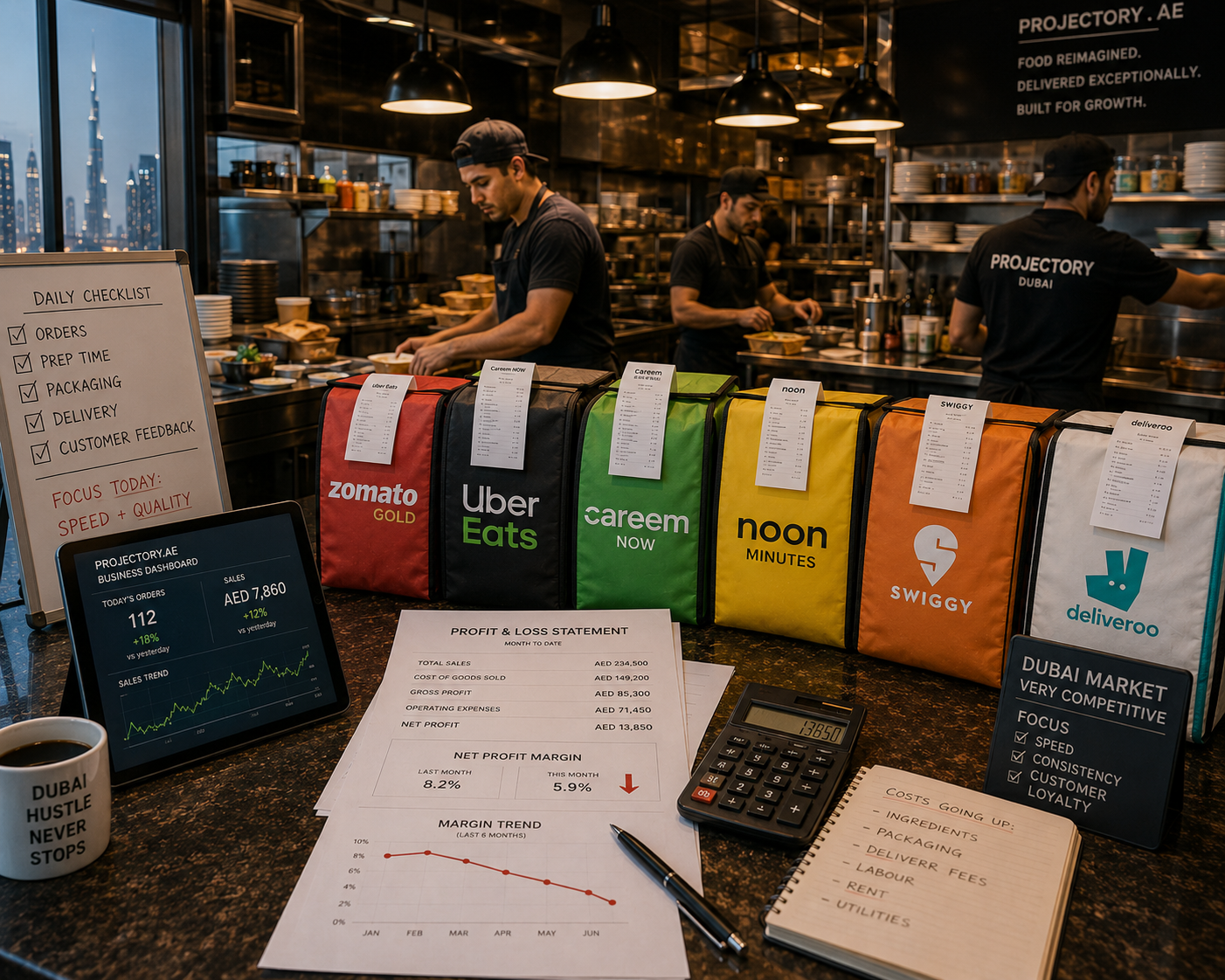
This pattern is visible in many markets, including the Dubai cafeteria case study, where tight pricing combined with rising costs creates constant margin pressure.
The Role of Demand in Pricing Decisions
Pricing cannot be separated from demand.
A price that appears profitable may fail if customers are unwilling to pay it. At the same time, a price that attracts demand may not be sustainable if margins are too low.
What Customers Actually Reveal
Customer behavior provides the most reliable signals:
- hesitation → price sensitivity
- repeat purchases → acceptable pricing
- drop in volume → resistance
These patterns are more valuable than initial feedback.
Instead of setting a fixed price, businesses should adjust pricing based on real-world response.
The Hidden Link Between Pricing and Cash Flow
Pricing decisions directly influence cash flow.
If prices are too low:
- margins shrink
- cash accumulation slows
If costs increase without price adjustments:
- profitability declines
- liquidity pressure increases
This creates situations where the business appears active but remains financially constrained.
This relationship becomes clearer when viewed alongside cash flow vs profit, where both timing and margin determine financial stability.
Moving from Pricing to Strategy
Pricing should not be treated as a one-time decision. It is a strategic lever that evolves with the business.
A more effective approach includes:
- testing different price points
- observing customer response
- making controlled adjustments
Practical Adjustments
Instead of large price increases, small incremental changes are more effective:
- increase price by 5–10%
- bundle products
- introduce tiered pricing
These adjustments allow businesses to improve margins without disrupting demand significantly.
What Good Pricing Actually Looks Like
Good pricing is not about maximizing volume or margin in isolation. It is about balance.
A well-priced product:
- covers real costs
- generates sustainable margins
- aligns with customer expectations
- allows room for future adjustments
This balance evolves over time as costs and market conditions change.
Pricing Is a Continuous Decision
Many businesses treat pricing as fixed. In reality, it must be reviewed regularly.
As the business grows:
- costs change
- competition evolves
- customer expectations shift
Pricing should adapt accordingly.
Businesses that revisit pricing consistently tend to maintain stronger margins and better financial stability.
Pricing Is the Decision That Shapes Everything
Pricing is often treated as a number added at the end of a calculation. In reality, it is one of the earliest and most consequential decisions a business makes.
It determines not only how much you earn, but how your business operates. It influences customer expectations, margin structure, cash flow, and even how much pressure your operations can absorb. A weak pricing decision does not fail immediately—it slowly constrains the business over time.
What makes pricing difficult is that it sits at the intersection of cost, demand, and perception. There is no fixed formula that works in every situation. Instead, it requires continuous adjustment based on how customers respond and how the business evolves.
Businesses that treat pricing as a one-time decision tend to drift into margin pressure. Businesses that treat it as an ongoing discipline tend to build stability. In the end, pricing is not just about what you charge. It is about what your business can sustain—and what it can become.